

Biodynamic Craniosacral Therapy
Find Deep Healing Through Gentle Touch
What is Biodynamic Craniosacral Therapy (BCST) ?
Biodynamic Craniosacral Therapy (BCST) is a powerful complement to our hormone, metabolic, and integrative care helping to regulate the nervous system, process long-held stress, and support the whole person.
Whether you’re navigating perimenopause, burnout, postpartum recovery, or chronic stress, this gentle modality offers a compassionate and restorative path to healing.
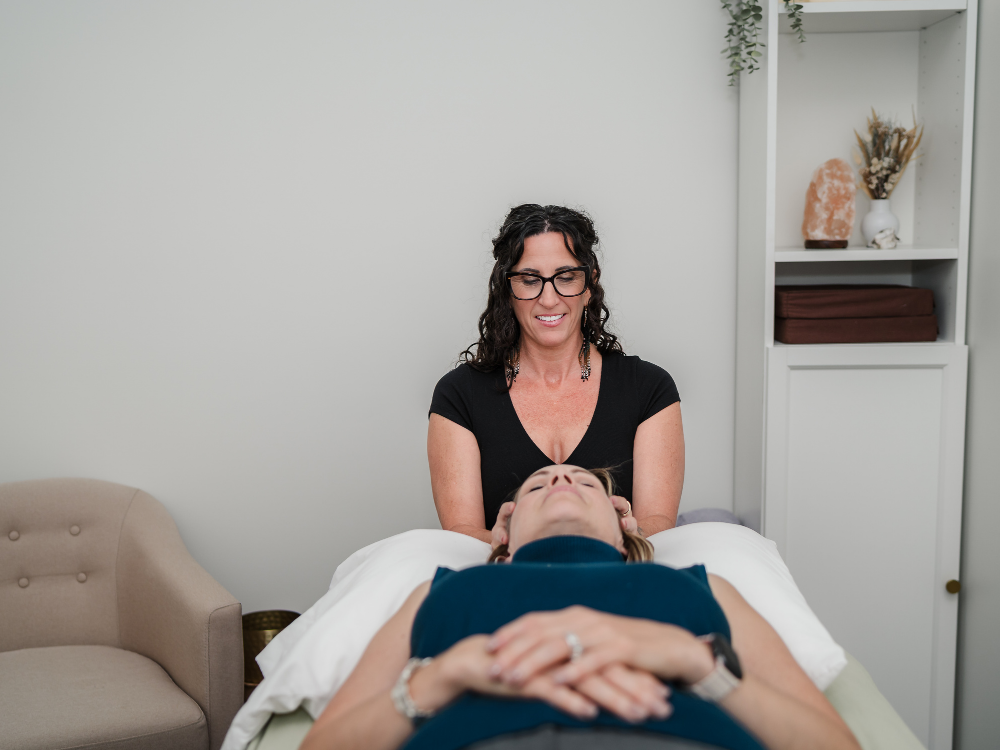
BCST is a light-touch, hands-on therapy that works with your body’s natural rhythms and healing capacity. Rooted in osteopathic principles, it supports the subtle movements of your nervous system, connective tissues, and cerebrospinal fluid — helping your body return to balance from the inside out.
Unlike traditional craniosacral work that focuses mostly on the head, BCST is a full-body therapy that listens deeply to the whole system, creating space for regulation, release, and repair.

Why It Works
Some experiences live in our bodies long after our minds have moved on.
Chronic tension, stress-related symptoms, unexplained anxiety, and nervous system dysregulation are often the result of incomplete stress responses or unprocessed trauma.
BCST provides a safe, non-invasive way for your system to unwind using light touch and intentional stillness to help the body complete what was once interrupted. It’s not about doing more; it’s about allowing your body to do what it already knows how to do, when it feels safe enough to do so.
How It Feels
Sessions are deeply calming and restorative. The practitioner uses gentle holds to listen to your body’s subtle rhythms and responses.
There’s no agenda or protocol to force , the session follows your body’s priorities, supporting it to reorganize, regulate, and return to ease.
Biodynamic Craniosacral Therapy may be especially helpful for those experiencing:
Chronic pain or tension patterns
Anxiety, overwhelm, or stress-related conditions
Nervous system dysregulation or post-traumatic stress
Headaches or migraines
Digestive issues with a stress component
Sleep disturbances or fatigue
Birth trauma (for both mothers and babies)
A general need for nervous system support or deep relaxation
Who Might Benefit

Frequently Asked Questions
-
BCST practitioners orient to the body’s inherent health and self-healing capacity rather than using manipulations to correct dysfunction. the focus is on listening deeply, supporting balance in the nervous system, and allowing the body to reorganize itself. The practitioner acts as a neutral, grounding presence, creating safety so the client’s system can shift at its own pace. BCST is especially supportive for trauma, overwhelm, and regulation of the nervous system. It’s less about technique and more about attunement to safety, relational presence, and co-regulation.
-
Comfortable, loose-fitting clothing is ideal. You'll remain fully clothed throughout the session.
-
While traditional massage therapy works with muscles, fascia, and circulation through various pressure techniques, BCST works with your nervous system and the original health blueprint of subtle rhythms in your tissues & fluids (especially the cerebrospinal fluid CSF).
Traditional massage typically involves:
Active muscle manipulation and kneading
Working to release muscle tension and knots
Improving circulation and lymphatic drainage
Various pressure levels from light to deep
Various pressure levels from light to deep
BCST involves:
Extremely light touch (about the weight of a nickel)
Listening to your body's natural rhythms and movements
Supporting your nervous system's ability to self-regulate
Creating space for your body to heal itself
Working with trauma and stress held in the nervous system
Think of traditional massage as actively "doing something" to your muscles, while BCST is about "being with" your nervous system and allowing natural healing to emerge. Both are valuable, and many clients benefit from incorporating both approaches into their wellness routine.
-
You’ll remain fully clothed and lie comfortably on a treatment table. Your practitioner will place their hands very lightly on various points of your body, typically, but not limited to, your head, shoulders, sacrum, or feet. Each hand placement or hold can last several minutes, and a session may include anywhere from 3 to 8 holds, depending on your system and what’s needed that day. The session takes place mostly in stillness and quiet.
You might experience:
Deep relaxation and a sense of calm
Gentle sensations of movement, warmth, or tingling
Emotional releases or memories arising naturally
Feeling more grounded and present in your body
Some people fall asleep, which is perfectly normal
-
When offered by a Registered Massage Therapist, Craniosacral sessions may be covered under your extended health benefits massage therapy allocation. Check with your insurance provider to confirm your coverage details.
-
Absolutely! Many clients find that combining both approaches gives them the best of both worlds – the physical benefits of massage therapy and the nervous system support of BCST. Your practitioner can help you determine the best combination and timing for your needs.

Ready to Experience the Power of Subtle Work?
Book a session today and give your body the time, space, and skilled support it needs to reset and restore.