
Low Iron in Pregnancy and After Birth: More Than Just Tired
The tiredness of pregnancy and new motherhood gets called normal, but low iron is a common cause that can also pull down your mood and your milk supply. Here is the ferritin number that tells you whether it is part of your picture.
Heavy Periods in Perimenopause are Draining Your Iron
Normal bloodwork doesn't always mean your iron is fine. In perimenopause, heavy periods are often why you're still exhausted.
Losing Weight on a GLP-1: Why the Real Question Isn’t Muscle Loss
The internet is full of warnings about muscle loss on GLP-1s, and most of them get the clinical picture only half right. A patient who loses 15 pounds of fat and 2 pounds of muscle has a better body composition outcome than they started with, even though their absolute muscle dropped.
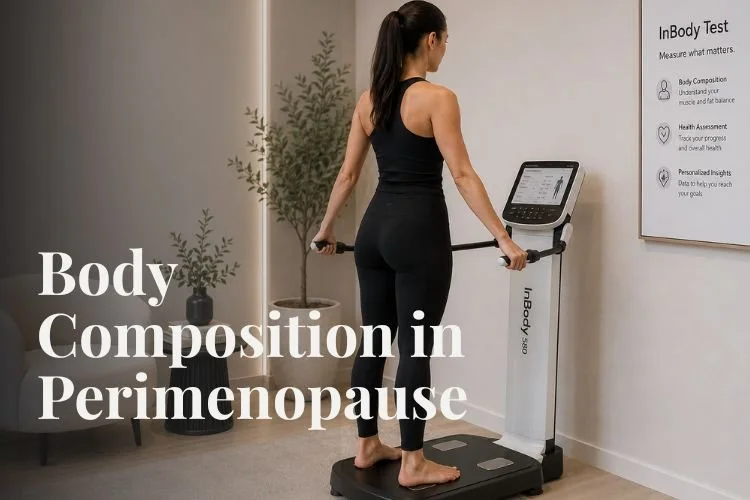
Body Composition During Perimenopause
Many women in their forties and early fifties walk into the clinic with the same story. Their weight has only shifted by a few pounds, but their body feels unfamiliar. The shape is different. Pants fit differently. Strength feels different. Sleep is different. They have not changed how they eat or how they move, and yet something has clearly changed.
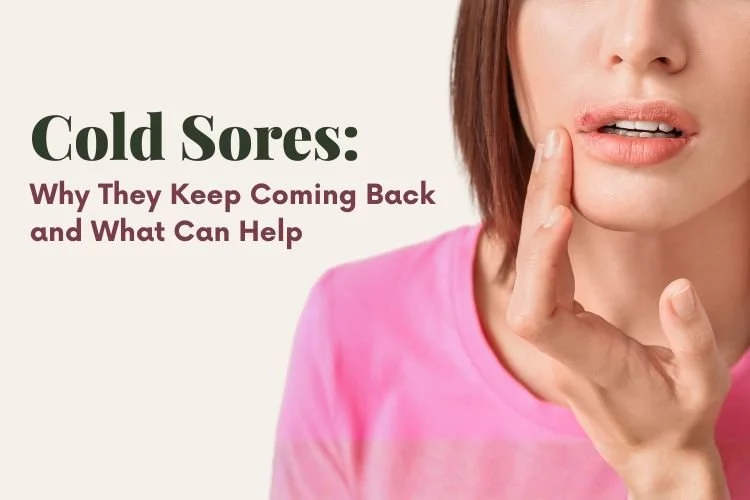
Cold Sores: Why They Keep Coming Back and What Can Help
That tingling feeling on your lip is unmistakable. You know what's coming before you can see it. And if you've had cold sores before, you've probably noticed they show up at the worst possible times: when you're already run down, before something important, after a stretch of poor sleep.
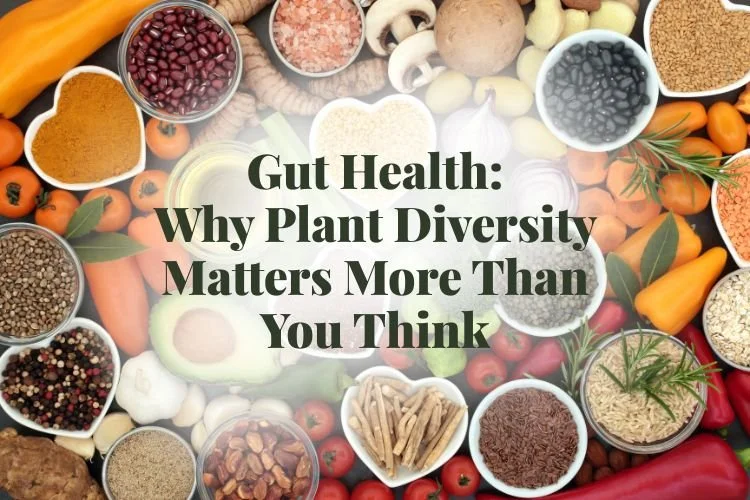
Gut Health: Why Plant Diversity Matters More Than You Think
If your diet only includes a small handful of plant foods, you're only feeding a small handful of microbes. But when you expand your plant variety: fruits, vegetables, whole grains, legumes, nuts, seeds, herbs and spices, you start feeding a much wider community.

How Breathwork Works and What to Expect in Your First Class
Most people who arrive at a breathwork class weren't looking for breathwork. They were looking for better sleep. A way to quiet a mind that won't stop running. Relief from the low-grade stress that has become the background noise of daily life — the kind that keeps people from actually enjoying the lake, the trails, and the open space that drew them to Kelowna in the first place.

Understanding Macros: A Simple Guide to Protein, Carbs and Fat
If you’ve ever felt like you’re eating “healthy” but not seeing changes in your weight, energy or strength, you’re not alone.
This is one of the most common things we hear from clients at Ivy Health Clinic.
Often, the issue isn’t what you’re eating.
It’s how your meals are balanced.
That’s where macros come in.

Tired But Wired: What Your Nervous System Is Trying to Tell You
Tired but wired. Exhausted but unable to sleep. Calm on the surface but anxious underneath. Running on empty but somehow still going.
If any of those sound familiar, your nervous system is likely showing you signs of dysregulation.
What Every Woman Should Know About UTIs (and Why They Sometimes Keep Coming Back)
Urinary tract infections (UTIs) are one of the most common infections I see in practice. If you have a vagina, chances are you've experienced one at some point — or you will. In fact, about 50–60% of women will develop a UTI at least once in their lifetime, and many will experience recurrent infections.
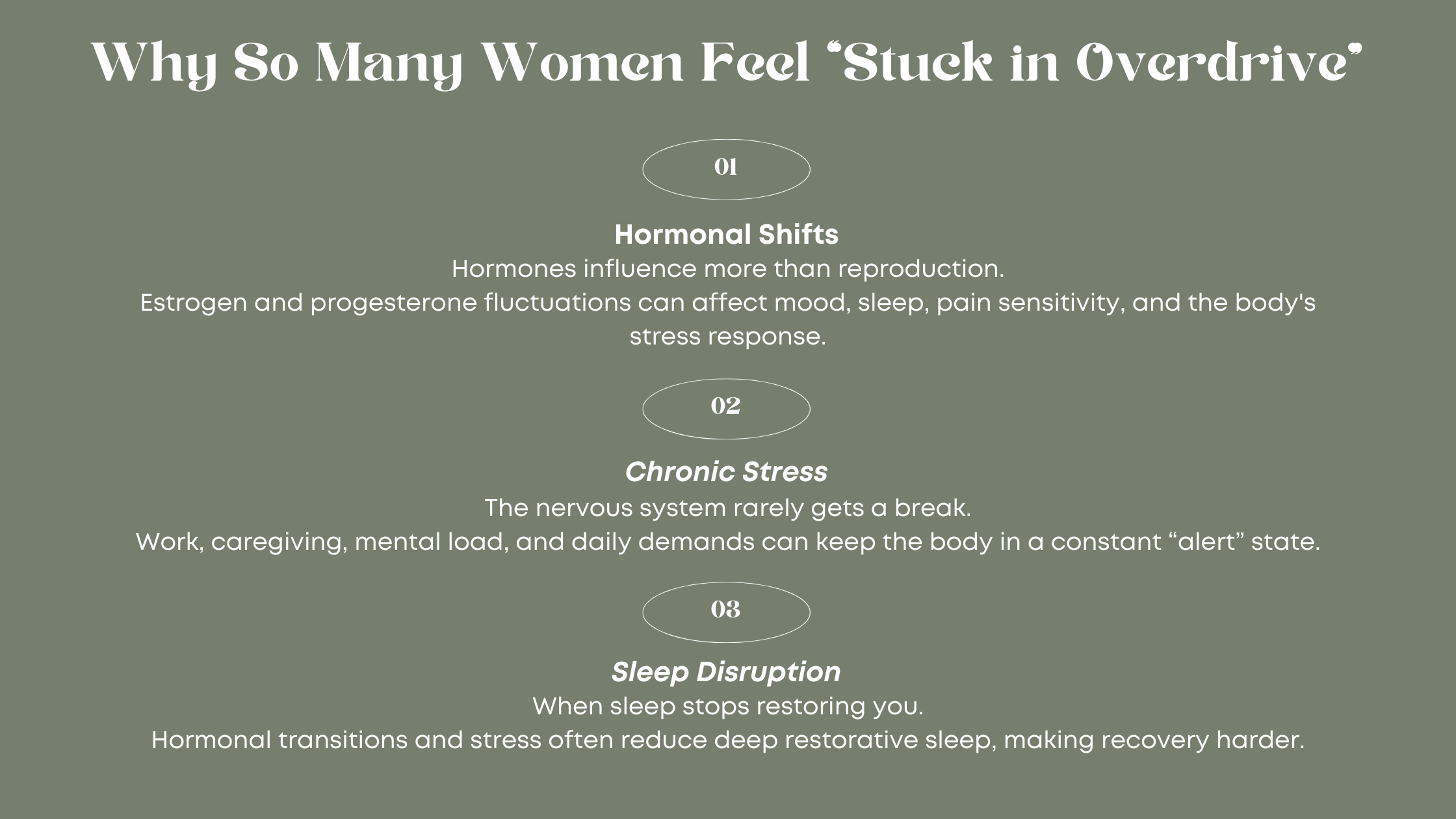
When Your Body Needs More Than a Quick Fix: Massage Therapy and Craniosacral Work for Women's Health
Push through the exhaustion that makes everything feel harder. Push through the tension in your shoulders, your jaw, your hips. Push through the sense that your body is stuck in overdrive even when you're trying to rest.
And maybe at some point, you realized this isn't sustainable.
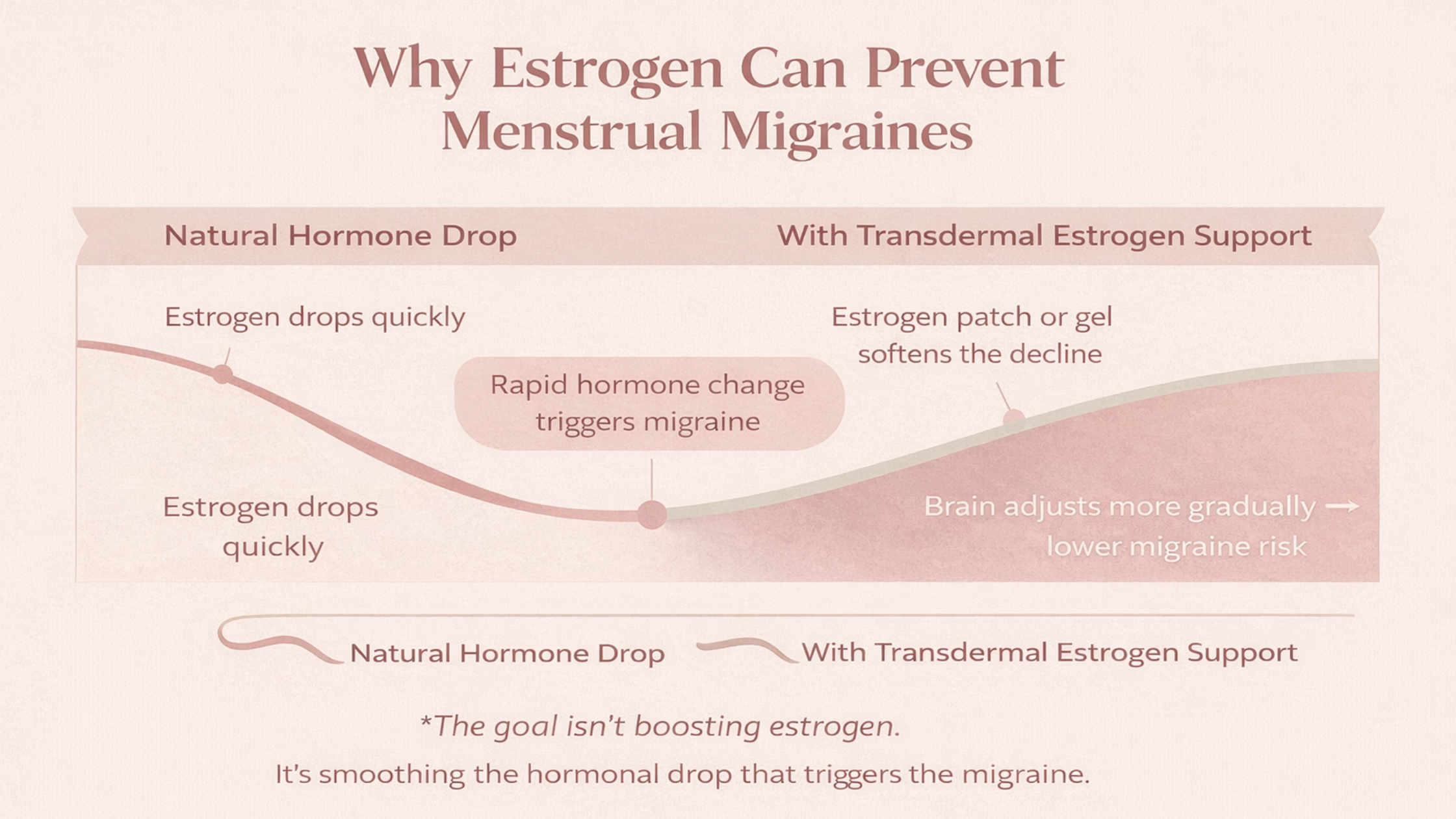
Menstrual Migraines: The Hormone Connection That Can Help Prevent Them
Menstrual migraines are tied to hormonal shifts, but hormones can also help prevent them. Learn the connection, how perimenopause changes the picture, and treatment options including transdermal estrogen.
Iron Infusions vs. Iron Supplements: Which Is Right for You?
If you've been told your iron is low, you've probably been handed a recommendation for iron pills and sent on your way. But here's what most people don't know: oral iron supplements aren't your only option. And depending on your situation, they might not even be the best option.
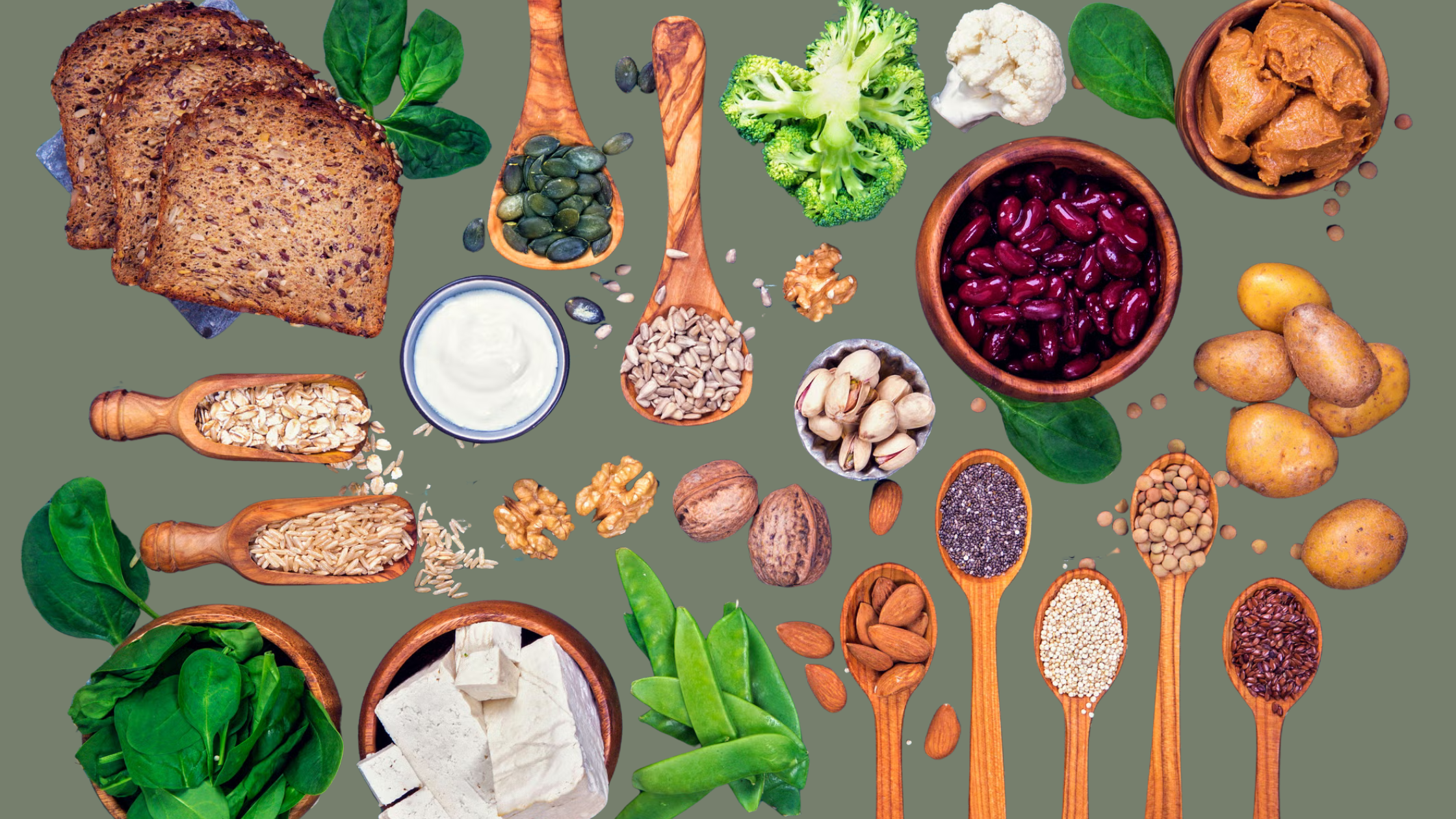
Plant-Based Protein: Myths, Tips & What You Should Know
By far, the most common question when thinking about plant-based foods is: “What about protein?” Most of us think of it as the “muscle builder,” but it does so much more. Protein is involved in making chemical messengers (like hormones), repairing tissues, and keeping vital organs - your heart, liver, kidneys and even your nervous system - running smoothly.
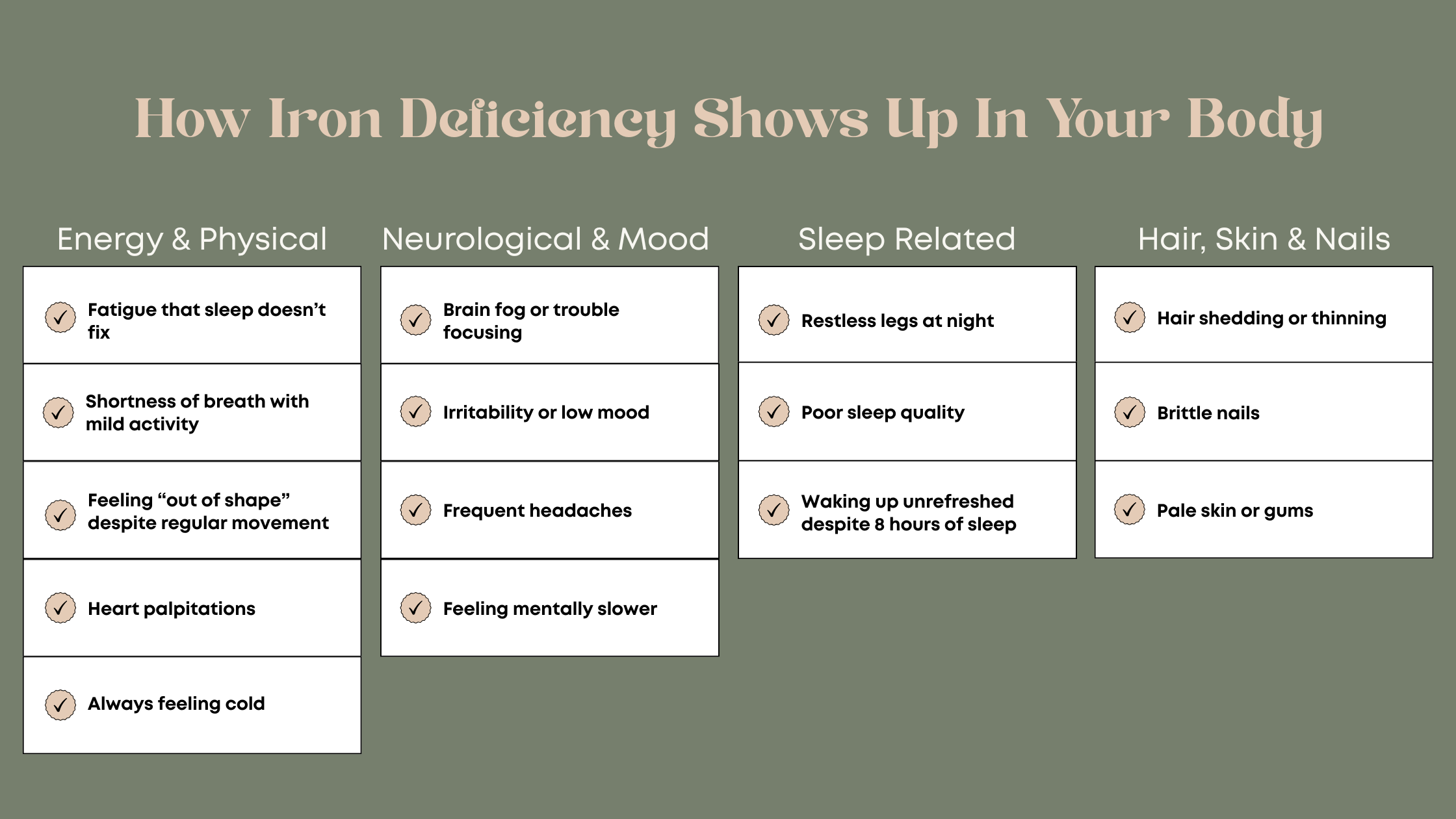
Iron Deficiency Isn’t Just Fatigue: The Signs You Might Be Missing
Iron deficiency is the most common nutritional deficiency in the world. Women are especially at risk during certain seasons of life - heavy periods, pregnancy, breastfeeding, postpartum and perimenopause all increase demand. Unfortunately, most conventional labs are designed to detect disease, not dysfunction. So you can feel awful while still being told everything looks “normal.”
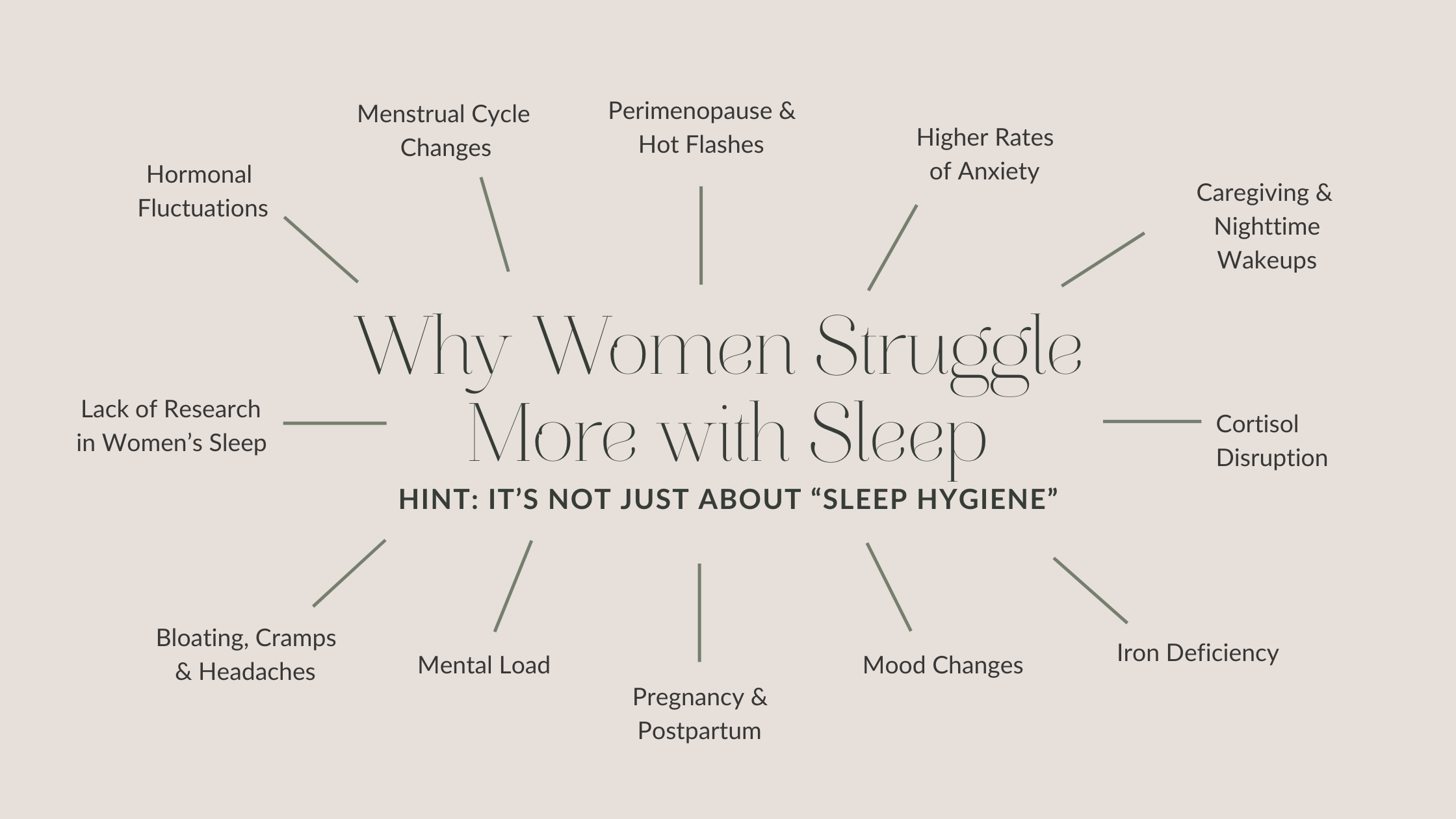
Sleep: Why Women Might Actually Need More
Despite progress in women's health research, scientific understanding of women’s sleep patterns has often lagged behind. Recent studies suggest women face unique challenges that can disrupt their sleep, making quality rest even more crucial. Research indicates that women are about 40% more likely to have insomnia compared to men, and are significantly more prone to anxiety and depression.