
Understanding Macros: A Simple Guide to Protein, Carbs and Fat
Many women eating well still feel like something is off. Energy dips by afternoon. Cravings hit harder than expected. Progress stalls even when the food choices look right on paper.
Often, the missing piece isn't what they're eating. It's how their meals are balanced.
That's where macronutrients come in. This is a reference guide you can return to whenever you have questions about protein, carbs and fat and how they work together to support your body.
What Are Macros?
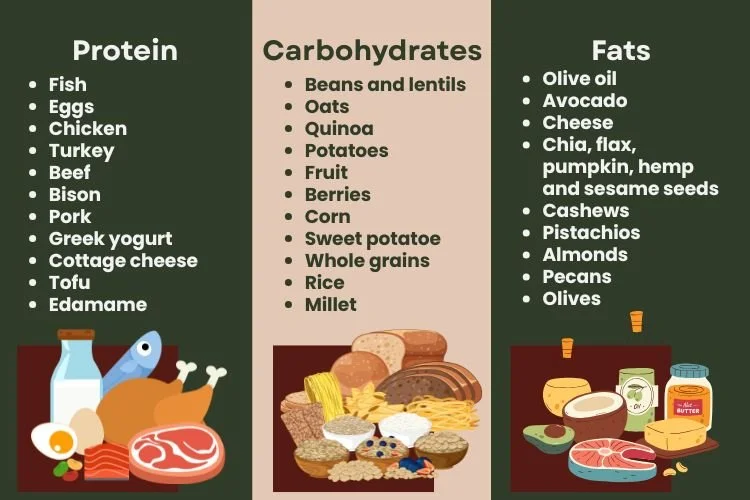
Macronutrients, or macros, are the three nutrients your body needs in the largest amounts: protein, carbohydrates and fat. Every food you eat contains some combination of all three. They provide energy and support essential functions like muscle repair, brain health and hormone production.
Why Balance Matters for Energy, Weight and Health
Macros aren't just about calories. They directly affect how energized you feel throughout the day, how satisfied you are after eating, your ability to build and maintain muscle and your metabolic health over time.
When meals are consistently out of balance, you may notice afternoon energy crashes, persistent hunger or cravings between meals, or difficulty making progress even when your food choices seem solid. When the balance is right, things tend to feel steadier and more manageable.
Protein: Muscle, Metabolism and Satiety
Protein plays a key role in building and maintaining muscle, supporting metabolism and keeping you full between meals. As we age, maintaining muscle becomes increasingly important for strength and mobility, bone density and long-term metabolic health.
Good sources include fish, poultry, eggs, Greek yogurt, beans, lentils and tofu.
In practice, many clients come in under-eating protein, especially at breakfast and lunch. This often shows up as an energy dip and stronger cravings by mid-afternoon.
Carbohydrates: Your Body’s Primary Energy Source
Carbohydrates are your body's preferred fuel. They power your brain and muscles, support physical activity and provide fibre that supports digestion and blood sugar balance.
Quality matters. Vegetables, fruit, whole grains and legumes are the foundation. Rather than cutting carbs entirely, it's usually more effective to improve the type and timing of what you're eating.
Fat: Hormones, Brain Health and Satisfaction
Dietary fat supports hormone production, brain and nervous system function and the absorption of key vitamins. It also helps meals feel satisfying, which matters for managing appetite throughout the day.
Healthy sources include olive oil, avocados, nuts, seeds and fatty fish like salmon.
What a Balanced Meal Looks Like
A balanced meal doesn't need to be complicated. A source of protein, a good carbohydrate, vegetables and a small amount of healthy fat covers the basics. This combination helps stabilize energy, reduce cravings and keep you full between meals.
Examples:
Breakfast: Greek yogurt, berries and nuts
Lunch: Grilled chicken salad with quinoa and olive oil
Dinner: Salmon, roasted vegetables and sweet potato
Meals don’t need to be perfect. Consistency matters more than precision.
Common Patterns We See
Even when people are eating well, a few imbalances come up regularly. Not eating enough protein, especially earlier in the day. Avoiding carbohydrates entirely and relying too heavily on fat. Over-snacking on calorie-dense foods like nuts, which are easy to overdo. Or eating too little overall and wondering why progress has stalled.
These small imbalances add up. They're also usually straightforward to adjust once you can see them clearly.
A Quick Reference
Protein: muscle, repair, fullness
Carbohydrates: energy, fibre, blood sugar balance
Fat: hormones, brain function, satiety
Frequently Asked Questions:
-
No. Carbohydrates are your body’s main energy source. Whole-food carbs like fruits, vegetables and grains provide fibre and essential nutrients.
-
Many people benefit from increasing protein intake with age to support muscle maintenance, metabolism and overall health. Most clients are eating less than they think.
-
No single nutrient causes weight gain on its own. Overall intake, balance and consistency are what matter most.
-
Fruit contains natural sugars, but also fibre, vitamins and antioxidants. For most people, it fits well into a balanced diet.
-
Energy crashes, persistent cravings, feeling hungry shortly after meals and difficulty making progress despite eating well are all common signs. A nutrition consultation can help identify where things are off and what to adjust.
-
Yes. Dawn Thalheimer works with clients on personalized nutrition plans, including macro balance. Appointments are available in-person in Kelowna and virtually across BC. You can book directly online.
The Bottom Line
Nutrition doesn’t need to be complicated.
Macros are simply a way to understand how your food supports your body.
When your meals include the right balance of protein, carbohydrates and fat, it becomes much easier to:
Maintain energy
Support muscle
Feel satisfied
Make sustainable progress
Ready to Build a Plan that Works?
If you're reading this, you're already paying attention to how your food affects your body. That matters.
When you're ready to turn that awareness into a clear, personalized approach, we're here.
Book a nutrition consultation with Dawn at Ivy Health.
This content is for educational purposes only and does not constitute medical advice or create a practitioner-patient relationship. If you have concerns about your health, please consult a qualified healthcare provider.