Sleep: Why Women Might Actually Need More
Let's talk about sleep. Did you know that women might actually need more of it than men?
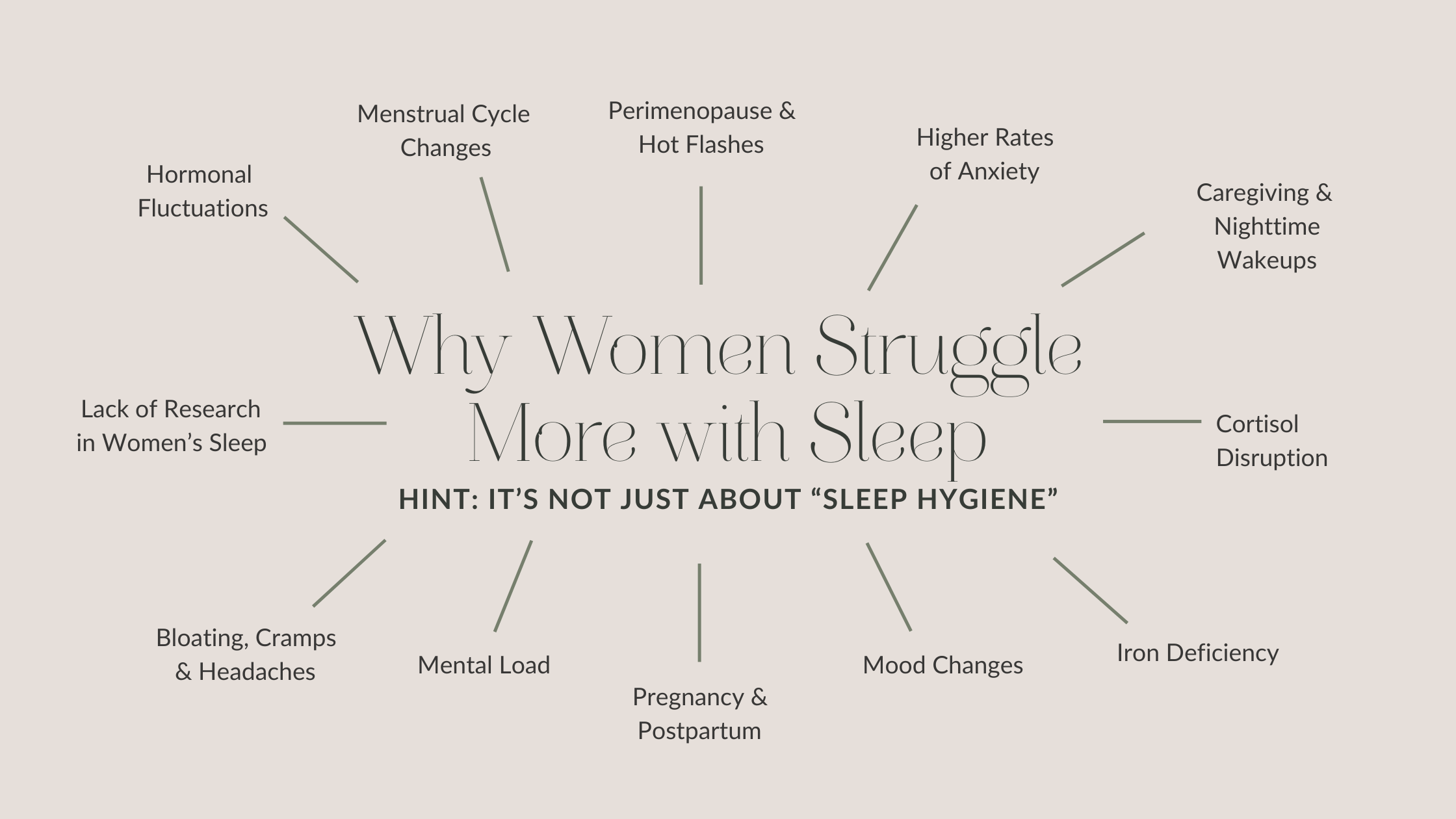
Despite progress in women's health research, scientific understanding of women’s sleep patterns has often lagged behind. Recent studies suggest women face unique challenges that can disrupt their sleep, making quality rest even more crucial. Research indicates that women are about 40% more likely to have insomnia compared to men, and are significantly more prone to anxiety and depression than men—conditions known to disrupt sleep patterns.[1,2].
Hormones Matter
Hormones play a major role in regulating the sleep–wake cycle. Fluctuations during the menstrual cycle, pregnancy, and menopause can all contribute to sleep disturbances. For example, hot flashes during menopause affect up to 80% of Western women and are reported to disturb sleep in midlife [3,4]. Menstrual cramps, headaches, and bloating also affect roughly one-third of menstruating people, adding to daytime fatigue [3].
External Stressors
On top of hormonal influences, external factors such as caregiving can disrupt sleep. Women are more likely than men to wake at night to care for others. Studies show that sleep disturbances in caregivers are associated with higher stress and greater vulnerability to mental health issues [5,6,7].
Tips for Better Sleep
Proper sleep hygiene requires:
Maintain a sleep schedule: Go to bed and wake up at the same time every day, even on weekends.
Create a restful environment: Keep your bedroom cool (15-19 degrees C is optimal), dark (if you can see your hand, it is not dark enough), and quiet (use ear plugs or white noise; hearing is one of last things that shuts off). Don't use the bedroom for anything other than sleep and intimacy (no fighting, no work).
Spend money on your bedding: Invest in good quality bedding, especially your mattress and pillows (hypoallergenic, breathable). Mattresses are expensive for a reason (they should last 10-20 years).
Limit screen time: Avoid electronics at least an hour before bedtime to reduce blue light exposure (not to mention negative social media content). Stay tuned for future posts on the impacts of blue light and EMF.
Protect your rest & recovery time: Allow 7-8 hours minimum for rest.
Downtime ritual: Practice relaxation techniques like meditation, deep breathing, and/or stretching before bed (30min-2hrs, depending on person). Generally, avoid exercise in the evening (not less than 3 hours before sleep; exceptions are yoga/stretching or walking).
Recognizing the unique sleep challenges women face is the first step toward better rest. By addressing these factors, women can work toward achieving the quality sleep they deserve. And the next time your partner asks if they can sleep in, just remind them: science says you need more sleep than they do.
If sleep has become a struggle, we can help you figure out why. Book your consultation at Ivy Health Clinic.
Frequently Asked Questions:
-
Research suggests women sleep slightly longer on average (about 11 minutes more per night) and report needing more sleep than men. The recommended 7 to 9 hours applies to everyone, but women experience more sleep disruptions due to hormonal fluctuations, higher rates of insomnia (about 40% more likely than men) and greater prevalence of anxiety and depression. These factors mean quality of sleep matters as much as quantity.
-
Estrogen and progesterone play direct roles in regulating the sleep-wake cycle. Fluctuations during the menstrual cycle can cause disrupted sleep in the days before a period. During perimenopause and menopause, declining and fluctuating hormone levels contribute to hot flashes (affecting up to 80% of Western women), night sweats and increased anxiety, all of which interfere with restful sleep.
-
Key sleep hygiene practices include maintaining a consistent sleep and wake schedule (even on weekends), keeping your bedroom cool (15 to 19 degrees Celsius), dark, and quiet, avoiding screens at least one hour before bed, and allowing 30 minutes to 2 hours for a wind-down routine before sleep. Investing in quality bedding and avoiding exercise within 3 hours of bedtime (with the exception of gentle yoga or stretching) also support better rest.
-
If you are consistently waking unrefreshed despite adequate sleep time, experiencing insomnia, waking frequently during the night or noticing that sleep disruptions coincide with hormonal changes (perimenopause, menstrual cycle, postpartum), a naturopathic doctor can assess root causes including hormonal imbalances, nutrient deficiencies and nervous system dysregulation. At Ivy Health Clinic in Kelowna, Dr. Kirsten Storoshenko, ND and Dr. Brittany Schamerhorn, ND take a whole-person approach to sleep concerns.
-
Ivy Health Clinic in Kelowna offers naturopathic medicine focused on women's health, including sleep concerns related to hormonal transitions, stress and fatigue.
Our naturopathic doctors assess the root cause of sleep disruption rather than masking symptoms.
For women whose sleep issues are connected to nervous system dysregulation, Jen Newman, RMT, RCST also offers craniosacral therapy to support deeper rest. Learn more about the benefits of craniosacral work here.
Book at ivyhealthclinic.janeapp.com or call 250-410-4406.