Plant-Based Protein: Myths, Tips & What You Should Know
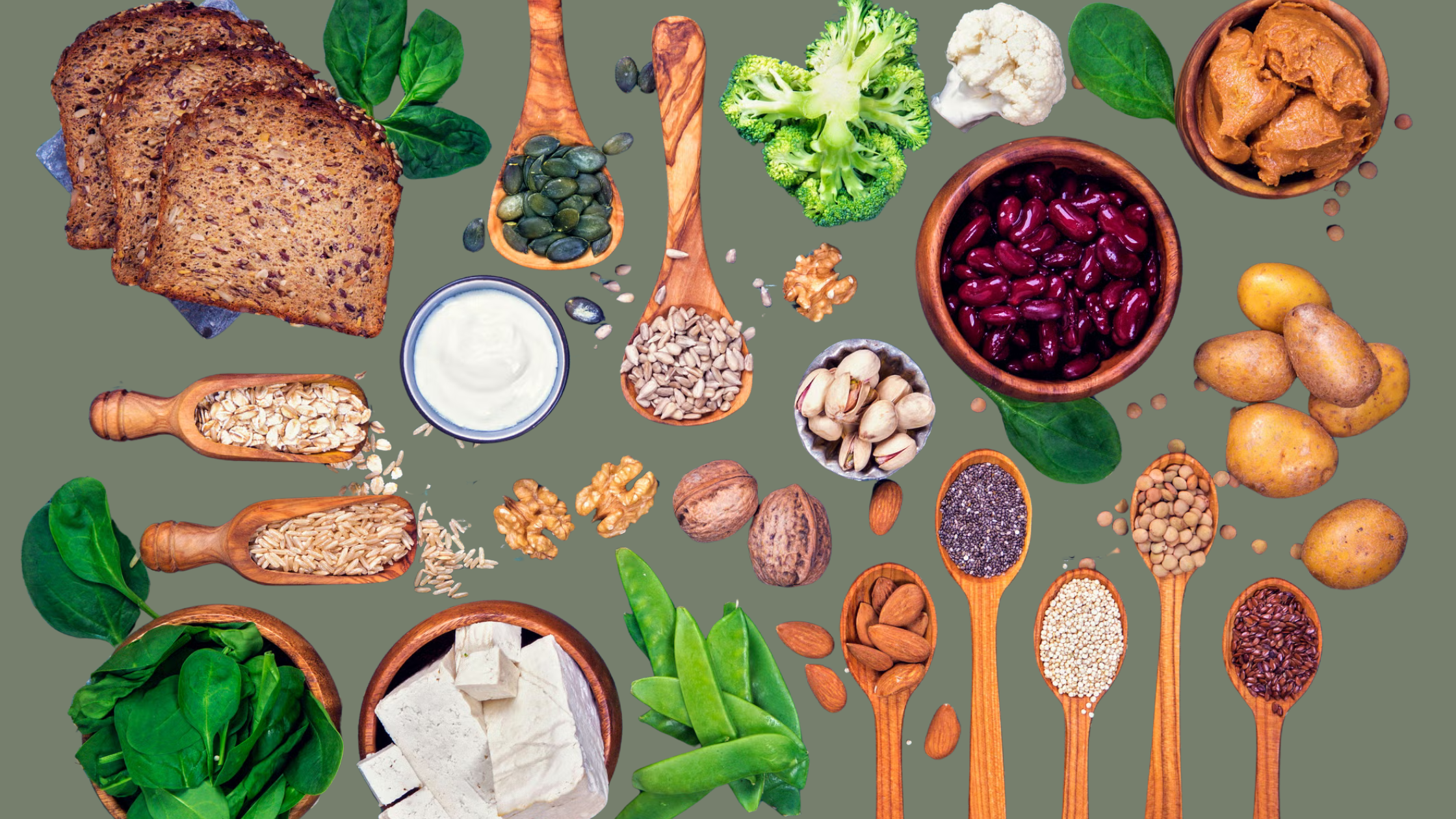
By far, the most common question when thinking about plant-based foods is: “What about protein?” Most of us think of it as the “muscle builder,” but it does so much more. Protein is involved in making chemical messengers (like hormones), repairing tissues, and keeping vital organs - your heart, liver, kidneys and even your nervous system - running smoothly. So yes, protein is essential… but what about combining certain foods to get enough?
Are Plant Proteins Complete?
Yes! Proteins are made up of amino acids. Out of the 20 amino acids our bodies use, 9 are considered essential. That means we must get them from our diet, since our bodies can’t make them on their own. You may have heard that plants “don’t have complete protein,” or that you need to pair beans with rice at every meal to make a complete protein. The truth? That’s not necessary [1]. Every plant contains all 9 essential amino acids—it’s just that some are richer in certain ones than others [2]. As long as you eat a variety of plant foods throughout the day and meet your protein needs, your body will naturally combine what it requires—no need to micromanage every meal [3, 4].
Who Needs to Think Twice About Protein?
The current international Recommended Dietary Allowance (RDA) for protein is 0.8–1 gram per kg of ideal body weight for most adults [5,6]. That’s about 70 g of protein per day if you weigh 70 kg (about 150 pounds). However, these recommendations don’t consider age, life stage (pregnancy, breastfeeding), physical activity, or dietary pattern [7,8]. Older adults often need more [9].
For women in midlife, protein becomes especially important. After menopause, protein needs increase due to changes in muscle mass and bone density [10,11]. Meeting these needs—along with resistance exercise—is crucial for preventing osteoporosis and keeping metabolism healthy [12]. If your goal is to build or maintain muscle, aim to spread protein evenly across meals rather than concentrating it at dinner.
Animal vs. Plant Protein
Increased intake of whole grains, fruits, and vegetables is recommended for controlling weight and preventing diseases such as cancer and heart disease [13-15]. Plant protein comes with the added benefits of fiber, heart-healthy fats, and compounds that are anti-inflammatory and rich in antioxidants [2].
How to Add More Plant Protein
Building protein into each meal can be simple and satisfying:
Start your day with a warm bowl of oatmeal topped with chia seeds, berries, and a spoonful of almond butter for a creamy, nutty boost. Use soy milk in your cereal or coffee instead of oat or rice milk.
At lunch, a hearty lentil soup with whole-grain bread delivers both comfort and staying power. Stir lentils, peas, or beans into soups, curries, and salads. Go slow when first introducing legumes into your diet to give your digestive tract time to adjust (your gut microbes will thank you).
For dinner, a tofu stir-fry with colorful vegetables and sesame seeds rounds out your day’s protein—without overthinking it. Top stir-fries or pasta with grilled tempeh, add edamame to salads, blend hemp seeds into smoothies, or toss chickpeas into pasta dishes. Better yet, opt for the legume-based pastas! These little swaps can help your daily protein total add up surprisingly fast.
Top Plant-Based Protein Foods
Aim for 3–4 servings per day of high-protein plant foods:
Tofu, extra-firm (175 g / half a block): 18 g
Tempeh (100 g): 19 g
Lentils, cooked (1 cup / 198 g): 18 g
Chickpeas / beans, cooked (1 cup / 164–177 g): 15 g
Edamame, cooked (1 cup / 155 g): 17 g
Soy milk (1 cup / 240 mL): 7 g
Quinoa, cooked (1 cup / 185 g): 8 g
Pea protein powder (1 scoop / 30 g): 20–25 g
Peanut / other nut butter (2 tbsp / 32 g): 8 g
Pumpkin seeds (¼ cup / 30 g): 9 g
Broccoli, cooked (1 cup / 156 g): 4 g
Whole wheat bread (1 slice / 28 g): 4 g
Hemp hearts (3 tbsp / 30 g): 10 g
Legume pasta, cooked (1 cup / 140 g): 13 g
The Bottom Line
Plant-based proteins are not only “good enough”—they’re powerful. With a little variety and consistency, you can meet your protein needs without complicated food math. For most healthy adults, it’s not difficult to reach protein targets, even on a plant-based diet [16]. Legumes, nuts/seeds, and whole grains also provide fiber—so you get a two-for-one benefit: protein + fiber!
Stay tuned for posts on related topics: Fiber (More than Just Digestion), 30 Plants Per Week, Why Soy Gets a Bad Rap, and more.
Frequently Asked Questions:
-
No. Every plant food contains all 9 essential amino acids in varying amounts. As long as you eat a variety of plant foods throughout the day and meet your total protein needs, your body will combine what it requires. The idea that you must pair specific foods like beans and rice at every meal is outdated and not supported by current nutrition research.
-
The current recommended dietary allowance is 0.8 to 1 gram of protein per kilogram of ideal body weight for most adults. For a woman weighing approximately 70 kg (150 pounds), that is about 70 grams per day. However, protein needs increase during pregnancy, breastfeeding, perimenopause, and menopause, as well as with regular physical activity. Women in midlife may need more protein to support muscle mass and bone density.
-
Yes. Research comparing soy protein supplementation to animal protein found no significant difference in muscle mass or strength gains following resistance training. Plant protein sources also come with added benefits including fiber, heart-healthy fats, and anti-inflammatory compounds. The key is meeting your total daily protein target and spreading intake across meals.
-
High-protein plant foods include tofu (18 g per half block), tempeh (19 g per 100 g), lentils (18 g per cooked cup), chickpeas and beans (15 g per cooked cup), edamame (17 g per cooked cup), and pea protein powder (20 to 25 g per scoop). Aiming for 3 to 4 servings of these foods per day can help most women meet their protein needs on a plant-based diet.
-
Ivy Health Clinic in Kelowna offers naturopathic medicine and nutrition coaching to help women optimize their diets for energy, hormonal health, and metabolic wellness. Dr. Kirsten Storoshenko, ND provides evidence-based nutrition guidance, including support for plant-based eating patterns. Dawn Thalheimer offers fitness and nutrition coaching focused on women's health. Book a consultation at ivyhealthclinic.janeapp.com or call 250-410-4406.
-
Physicians Committee for Responsible Medicine. Power Up With Plant-Based Protein. Physicians Committee for Responsible Medicine website. https://www.pcrm.org/good-nutrition/nutrition-information/protein. Published 2023. Accessed September 8, 2025.