
Low Iron in Pregnancy and After Birth: More Than Just Tired
The tiredness of pregnancy and new motherhood gets called normal, but low iron is a common cause that can also pull down your mood and your milk supply. Here is the ferritin number that tells you whether it is part of your picture.
Heavy Periods in Perimenopause are Draining Your Iron
Normal bloodwork doesn't always mean your iron is fine. In perimenopause, heavy periods are often why you're still exhausted.
Losing Weight on a GLP-1: Why the Real Question Isn’t Muscle Loss
The internet is full of warnings about muscle loss on GLP-1s, and most of them get the clinical picture only half right. A patient who loses 15 pounds of fat and 2 pounds of muscle has a better body composition outcome than they started with, even though their absolute muscle dropped.
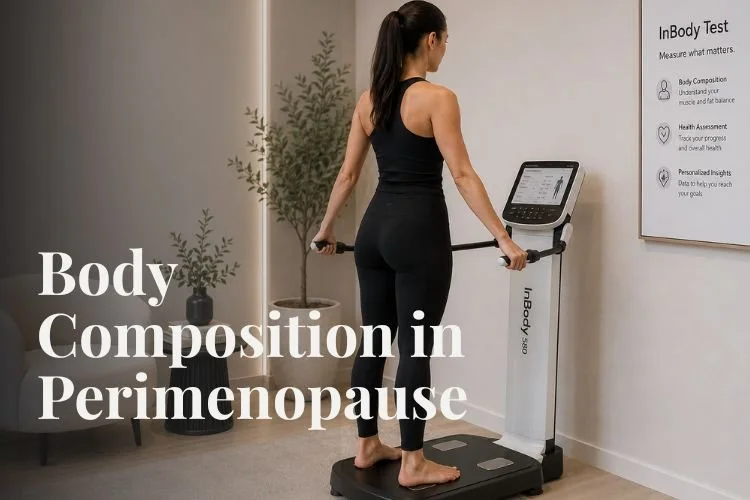
Body Composition During Perimenopause
Many women in their forties and early fifties walk into the clinic with the same story. Their weight has only shifted by a few pounds, but their body feels unfamiliar. The shape is different. Pants fit differently. Strength feels different. Sleep is different. They have not changed how they eat or how they move, and yet something has clearly changed.
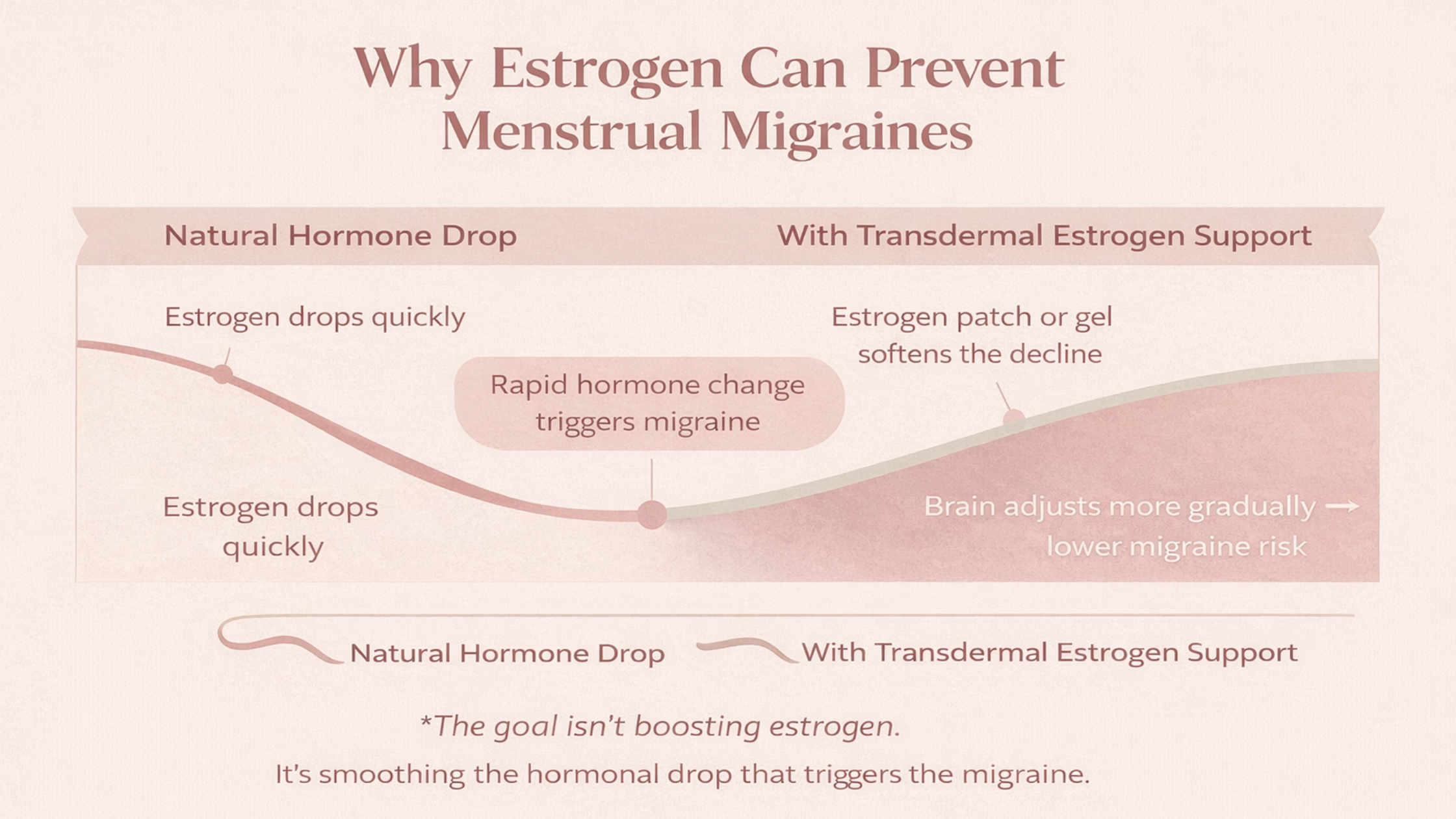
Menstrual Migraines: The Hormone Connection That Can Help Prevent Them
Menstrual migraines are tied to hormonal shifts, but hormones can also help prevent them. Learn the connection, how perimenopause changes the picture, and treatment options including transdermal estrogen.
Iron Infusions vs. Iron Supplements: Which Is Right for You?
If you've been told your iron is low, you've probably been handed a recommendation for iron pills and sent on your way. But here's what most people don't know: oral iron supplements aren't your only option. And depending on your situation, they might not even be the best option.
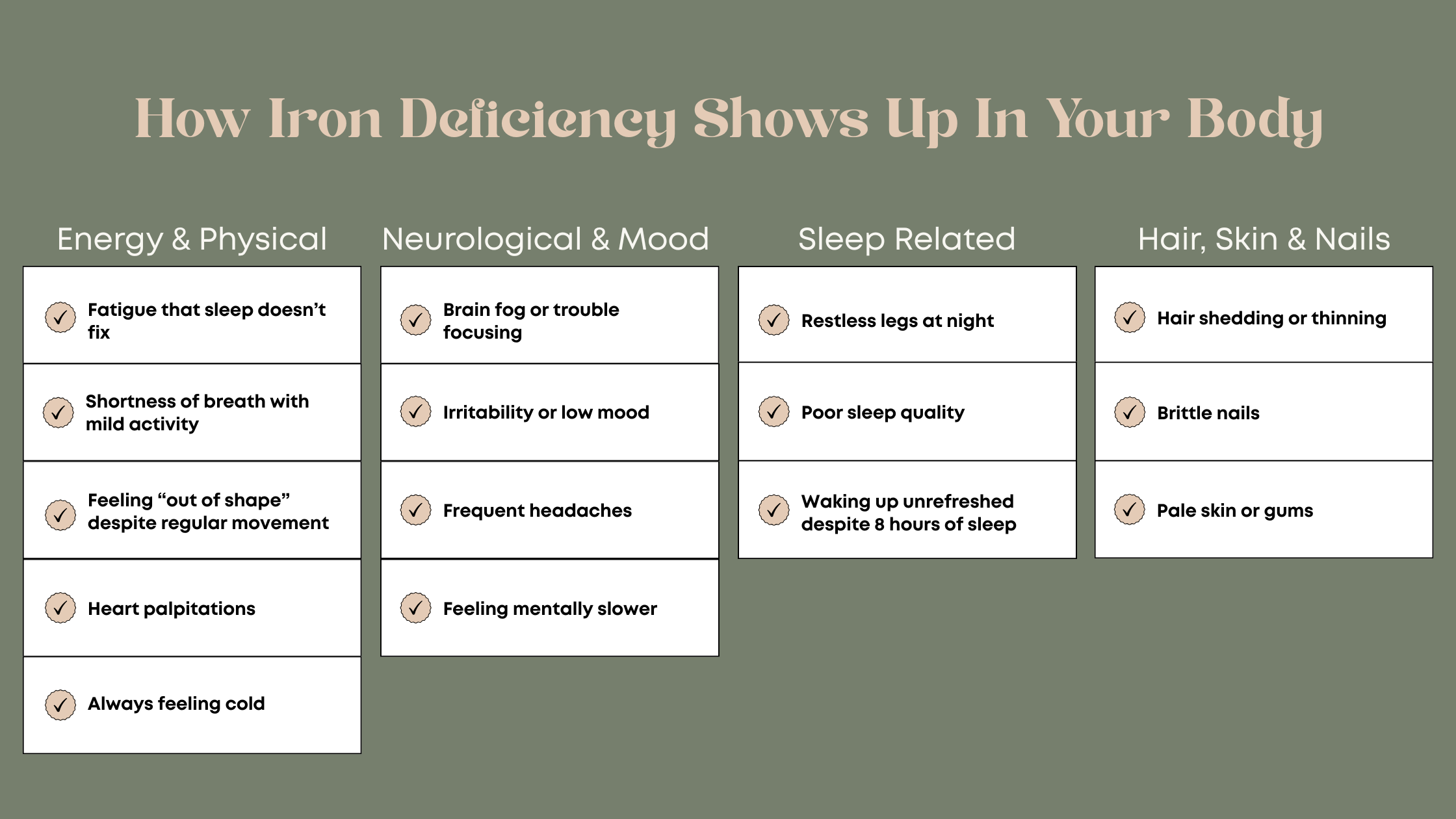
Iron Deficiency Isn’t Just Fatigue: The Signs You Might Be Missing
Iron deficiency is the most common nutritional deficiency in the world. Women are especially at risk during certain seasons of life - heavy periods, pregnancy, breastfeeding, postpartum and perimenopause all increase demand. Unfortunately, most conventional labs are designed to detect disease, not dysfunction. So you can feel awful while still being told everything looks “normal.”